▎DSIP Research
What is the research background of DSIP?
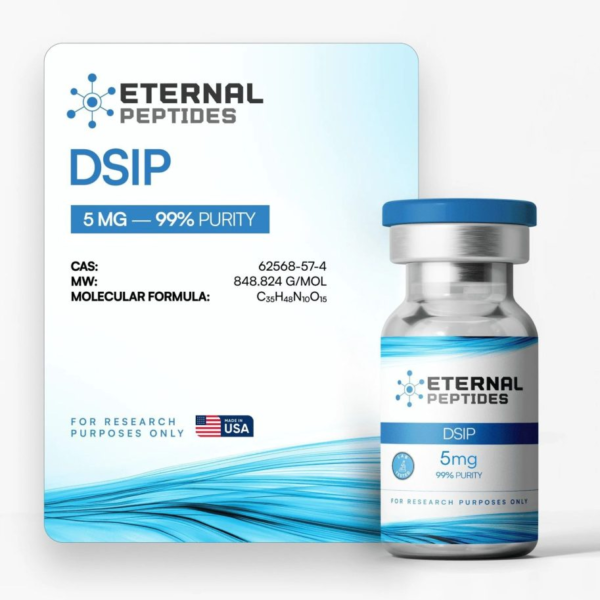
In the 1970s, there was a boom in sleep research, and scientists were eager to decipher the mysteries of sleep regulation. In 1977, the Swiss chemist Schönenberg and his team accidentally discovered DSIP while studying the sleep patterns of rabbits. It is a non-peptide composed of nine amino acids, which is produced in the hypothalamus and pituitary gland. During this period, significant breakthroughs were made in peptide science. American scientist Kastin and Dutch scientist de Wied proposed the view that peptides could cross the blood-brain barrier, laying the foundation for subsequent research on DSIP. After all, the brain is tightly protected by the blood-brain barrier, and most substances are difficult to enter. If DSIP can cross this barrier, it will greatly affect its role in the brain’s sleep regulation mechanism.
Subsequent studies have found that DSIP exists not only in specific areas of the brain but also in the limbic system in free or bound forms, as well as in a variety of peripheral organs, tissues, and body fluids. For example, in the pituitary gland, it is co-localized with a variety of peptides and non-peptide mediators such as adrenocorticotropic hormone. In intestinal secretory cells and the pancreas, it coexists with glucagon. This widespread distribution suggests that DSIP may have diverse and complex functions. Initially, DSIP was regarded as a sleep peptide. With the deepening of research, it has been found that its impact on the body is not limited to sleep. Some studies have shown that it may play a role in the stress response and pain perception, and has the potential characteristics of relieving anxiety and reducing pain, but these effects still need to be verified by more research.
What is the mechanism of action of DSIP?
Regulation of sleep and wakefulness
Influencing the sleep and wakefulness cycle: A number of studies have shown that DSIP has a significant regulatory effect on sleep and wakefulness. For example, in a study, a 35-year-old male narcolepsy patient was repeatedly injected with DSIP, and was evaluated through self-report, performance tests, multiple sleep latency tests, and all-night polysomnography. It was found that DSIP reduced the frequency of sleep attacks, increased daytime activity, alertness, and performance[1]. DSIP compressed the sleep cycle and enhanced rapid eye movement (REM) sleep. The results indicate that these effects are due to DSIP enhancing the circadian rhythm and ultradian rhythm. DSIP may promote the physiological mechanisms of peripheral preparation related to sleep onset.
Regulating sleep structure: DSIP not only affects the frequency and duration of sleep but also has an impact on the sleep structure. It can enhance REM sleep, indicating its important role in regulating different stages of sleep.
Physiological effects
Effects on thermoregulation, heart rate, blood pressure, pain threshold, and the lymphokine system: In addition to promoting sleep under specific conditions in animals, DSIP has a variety of physiological effects. For example, DSIP can affect thermoregulation, heart rate, blood pressure, pain threshold, and the lymphokine system [2]. These effects of DSIP depend on the circadian rhythm cycle, and some effects appear before the signs of neural or behavioral sleep. This suggests that DSIP may initiate the physiological mechanisms of peripheral preparation before sleep onset.
Antioxidant effect
Studies have found that subcutaneous injection of exogenous DSIP (100μg/kg body weight, injected for 5 consecutive days) in rats aged 2 – 24 months can effectively prevent the oxidative damage of lipids and the accumulation of malondialdehyde in the tissues and plasma of rats of different ages[4] . DSIP has a powerful antioxidant effect, which is achieved by activating various endogenous antioxidant protection mechanisms in intracellular and intercellular fluids. DSIP has a stimulating effect on the activities of superoxide dismutase, catalase, and ceruloplasmin, and affects the concentrations of non-enzymatic antioxidants such as urea and uric acid. With the physiological aging of organisms, the antioxidant protection mechanisms will be inhibited, while DSIP can increase the ability of the endogenous antioxidant protection system in tissues and blood, mainly by stimulating the components of the enzymatic antioxidant system, especially in the later stage of individual development.

 USD
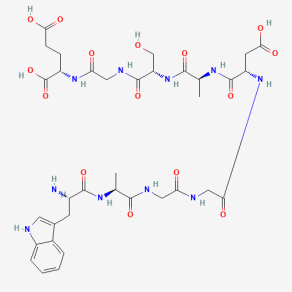 Source: PubChem

Reviews
There are no reviews yet.