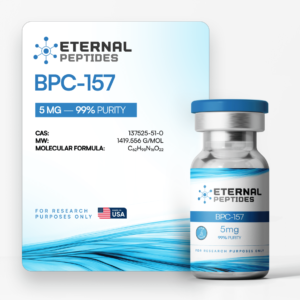
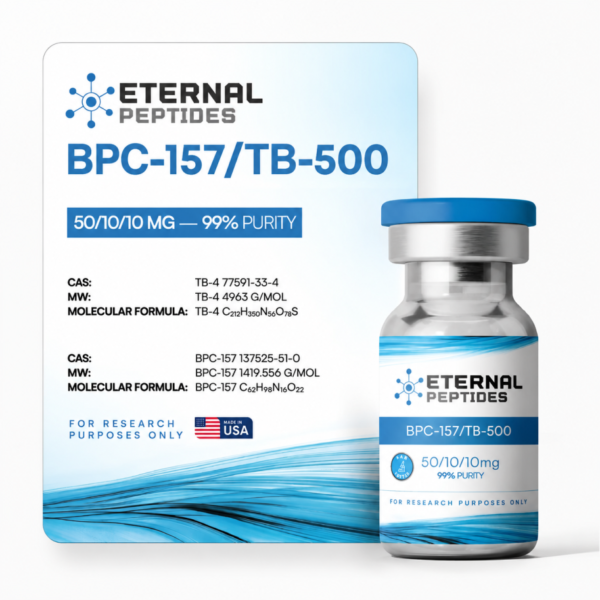
BPC 157
BPC 157 is a synthetic peptide composed of fifteen amino acids, and its full name is Body Protection Compound 157. Research has shown that BPC 157 possesses multiple biological functions, including accelerating tissue repair, neuroprotection, anti-ulcer, anti-inflammatory, and antioxidant effects. In the field of tissue repair, BPC 157 can significantly promote the regeneration of connective tissues such as the skin, tendons, and ligaments, and it has demonstrated remarkable efficacy especially in the healing of burn wounds. Its mechanism of action involves enhancing the proliferation, migration, and lumen formation capabilities of endothelial cells, thereby promoting angiogenesis and tissue regeneration.
In terms of neuroprotection, BPC 157 has a positive impact on the central nervous system by regulating the levels of neurotransmitters such as serotonin and dopamine, and it can improve problems such as indigestion, absorption disorders, and immunodeficiency. In addition, BPC 157 exhibits significant anti-ulcer and anti-inflammatory properties, which can maintain the integrity of the gastrointestinal mucosa and prevent pathogens and toxins from invading the intestine. In terms of liver protection, this molecule significantly protects liver function by inhibiting abnormal cell proliferation, maintaining the structural integrity of hepatocytes, stabilizing enzymatic indices, reducing the levels of inflammatory factors, and inhibiting liver fibrosis.
Compared with other drugs, the advantage of BPC 157 lies in its low toxicity and the absence of significant side effects, showing good safety and tolerance in various animal models. Currently, BPC 157 not only has unique curative effects in the treatment of gastrointestinal diseases but also shows potential application values in promoting tissue regeneration, improving the functions of the central nervous system, and the field of anti-aging.
▎TB500
TB500, a synthetic derivative of Thymosin Beta-4 (Tβ4), is a polypeptide molecule. Its core mechanism achieves dynamic regulation by precisely controlling the balance between the assembly and disassembly of actin within the cytoskeleton. This molecule can significantly enhance the abilities of cell migration, proliferation, and differentiation, thus playing a key regulatory role in the process of tissue repair and regeneration. In the field of skin wound repair, TB500 can accelerate the wound closure process, promote the orderly deposition of collagen, and inhibit the abnormal proliferation of pathological scar tissues; for metabolic diseases, it can effectively alleviate the pathological processes mediated by inflammation, such as non-alcoholic fatty liver disease and pulmonary fibrosis, by inhibiting the release of pro-inflammatory cytokines; in terms of cardiovascular protection, during the acute phase of myocardial infarction, TB500 can protect the surviving cardiomyocytes, activate the endogenous angiogenesis program, optimize the myocardial microcirculation network, and ultimately enhance the cardiac pumping efficiency.
It is worth noting that TB500 exhibits high bioavailability, a multi-target synergistic effect, and excellent biocompatibility. Its unique tissue-targeting property enables it to precisely act on the microenvironment of damaged tissues, significantly reducing the risk of systemic exposure while achieving targeted therapy. This molecular mechanism based on the regulation of actin dynamics not only provides an innovative treatment strategy for tissue regeneration medicine but also lays a solid theoretical foundation and empirical support for clinical translational applications. By simultaneously activating multiple pathways of angiogenesis, anti-inflammation, and cytoprotection, TB500 shows broad application prospects in maintaining tissue homeostasis and functional repair.
USD 


Reviews
There are no reviews yet.